
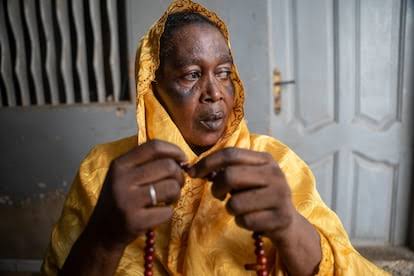
Silent Health Crisis: The Urgent Need to Address Skin Bleaching in Equatoria Region South Sudan
Across urban hubs in South Sudan, a pervasive public health crisis continues to unfold beneath the surface of daily life. Skin bleaching—the application of chemical preparations designed to inhibit melanin production—has reached concerning levels, driven by deeply rooted perceptions of light skin as a indicator of beauty, social status, and opportunity.
What was once largely an adult cosmetic practice has expanded into increasingly hazardous territory, including reports of parents applying potent lightening agents to infants and young children. Addressing this crisis requires an immediate, coordinated campaign involving community leaders, national authorities, and international health non-governmental organizations (NGOs).
Root Causes: Unraveling Colourism and Social Pressures
The practice of skin lightening in South Sudan cannot be understood in isolation from the region’s socio-historical context. Decades of marginalization, external cultural influences, and globalized beauty ideals have reinforced colourism—the systemic prejudice that elevates lighter skin tones over darker ones.
-
Social Mobility and Acceptance: In many communities, including areas within the Equatoria region, social pressure and marital expectations push individuals toward lighter complexions. Lighter skin is frequently associated with prosperity or elegance, creating an environment where dark skin is unfairly stigmatized.
-
Intergenerational Transmission: As lighter skin becomes normalized as an aesthetic ideal, parents pass these practices down. Alarmingly, some mothers mix corticosteroid creams or lightening formulas into daily child care products (such as shea butter or oils) to lighten the skin of infants, unaware of the severe medical harm this causes to an infant’s vulnerable skin barrier.
The Chemical Danger: Severe Health Risks
Most unregulated skin-lightening products sold in local markets contain dangerous chemical cocktails, primarily hydroquinone, topical corticosteroids, and inorganic mercury.
| Chemical Agent | Mechanism / Common Misuse | Acute & Long-Term Health Risks |
| Inorganic Mercury | Inhibits melanin synthesis by replacing copper in tyrosinase enzymes. | Chronic kidney damage, neurological toxicity, anxiety, depression, and severe memory loss. In pregnant women and infants, it leads to developmental complications. |
| Topical Corticosteroids | High-potency anti-inflammatory steroids misused for their skin-paling side effect. | Severe skin thinning (atrophy), hyperpigmentation rebounding, stretch marks, elevated risk of bacterial/fungal infections, and systemic adrenal suppression. |
| Hydroquinone | Suppresses tyrosinase activity to reduce melanin production. | Permanent skin disfigurement known as exogenous ochronosis (bluish-black skin discoloration), burning, and heightened sensitivity to ultraviolet radiation, increasing skin cancer risk. |
Pediatric Hazards
Infants are uniquely vulnerable to topical toxicity. Due to their high surface-area-to-body-mass ratio and immature renal and hepatic clearance systems, applying steroid creams or mercurial lotions can lead to rapid systemic absorption, severe skin ulcerations, organ stress, and growth suppression.
Regulatory Efforts and The Enforcement Gap
South Sudan’s Drugs and Food Control Authority (DFCA) has previously banned hazardous cosmetic products containing high concentrations of mercury and hydroquinone. However, enforcement remains a persistent challenge:
-
Informal Markets: Unregulated cosmetic vendors and cross-border trade allow hazardous products to flood local markets under varying brand names.
-
Mislabeling: Chemical ingredients are frequently mislabeled or concealed as standard “brightening lotions” or “glow oils,” misleading consumers regarding their safety.
-
Lack of Alternative Education: Regulatory bans alone do not alter the underlying social demand if the cultural idealization of light skin remains unchallenged.
Action Plan: Government and NGO Intervention
To effectively curb the practice of skin bleaching, particularly among infants and young youth, a multifaceted public health strategy is required.
+-------------------------------------------------------------------+
|                     MULTIFACETED STRATEGY                         |
+-------------------------------------------------------------------+
  ├── 1. Institutional Regulation & Enforcement
  │     └── Direct market inspections and strict border controls.
  │
  ├── 2. Targeted Public Health Education
  │     └── Maternal-child health education focused on infant safety.
  │
  └── 3. Cultural & Media Representation
        └── Promoting natural skin tone pride and dismantling colourism.
Key Priorities
-
Pediatric and Maternal Health Education: International NGOs (such as WHO, UNICEF, and local healthcare providers) must integrate warnings against skin bleaching into routine antenatal and postnatal clinical visits. Educating mothers on the specific dangers posed to infant skin can halt child exposure immediately.
-
Community Awareness Campaigns: Health organizations should collaborate with local community leaders, youth organizations, and church networks across all regions to run grassroots campaigns advocating for natural skin health and dispelling myths about “superior” skin shades.
-
Market Regulation and Consumer Testing: National health authorities must strengthen laboratory capacity to sample market cosmetics and impose strict penalties on traders selling banned chemical formulations.
-
Media and Cultural Pride: Media outlets and civil society groups must actively champion natural African skin tones, helping dismantle historical colorist biases and promoting self-acceptance across all ethnic groups in South Sudan.