The Math of Marginalization
Politics is a game of raw numbers, demographic momentum, and strategic alliances. In the high-stakes run-up to national elections, the fundamental objective of any political party—especially the ruling Sudan People’s Liberation Movement (SPLM) is to mobilize and secure its electoral base.
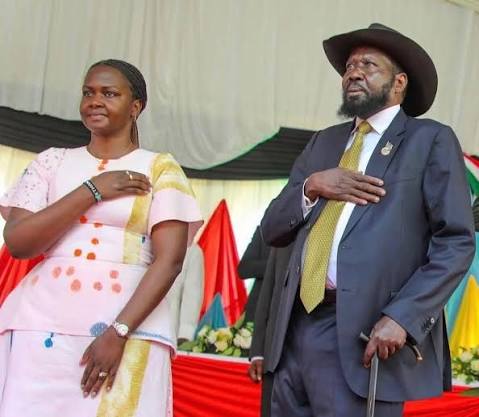
President Salva Kiir’s decision to dissolve the transitional government and appoint a lean Caretaker Cabinet was framed as a constitutional bridge to the polls. However, the composition of this interim administration reveals an alarming geographic and demographic oversight. By concentrating national portfolios within a handful of tightly drawn counties, the executive leadership has effectively sidelined the country’s largest population centers and historically loyal electoral strongholds.
Anti-majority political engineering during an election season is a recipe for voter apathy and strategic defect. Across all three historic regions Upper Nile, Greater Bahr El Ghazal, and Equatoria the caretaker distribution systematically ignores the key voting blocs required to deliver a decisive mandate.
In Upper Nile Region, H.E. President Salva Kiir appointed three Ministers from two counties: Bor and Baliet counties. In Dinka of Upper Nile Region, key counties with the largest voting blocs were neglected, including Panriang, Twic East, Renk, Melut, Duk, and Pigi. Those counties hold considerable political weight.
The Jikany Nuer were left out, especially in the SPLM-dominated areas of Longechuk, Mawut, and Nasir Counties. The Presidential Advisor on Peace is from Ulang County, a key SPLM-IO stronghold. The counties likely to overwhelmingly support the SPLM, such as Longechuk, Mawut, and Nasir, were excluded completely from the National Government.
In Greater Bahr El Ghazal Region, the five Ministers appointed were from Tonj North, Tonj East, Raja, Awiel South, and Gogriel East Counties. These appointments neglected key voting and population centers like Abiem Dinka of Aweil East County and Malual Gier Nyang in Aweil North County, Twic Mayardit in Twic County, and Agar Madong in the three Rumbek counties.
Comparative Summary Matrix
| Region | Represented Counties / Ethnic Groups | Excluded High-Density Voting Blocs | Primary Political Risk |
| Upper Nile | Bor, Baliet | Panriang, Twic East, Renk, Melut, Duk, Pigi, Jikany Nuer (Longechuk, Mawut, Nasir) | Loss of economic hubs and core Nuer constituencies |
| Greater Bahr El Ghazal | Tonj North, Tonj East, Raja, Aweil South, Gogrial East | Aweil East (Abiem), Aweil North (Malual), Twic County (Twic Mayardit), Rumbek (Agar Madong) | Fracturing core loyalist base and demographic heavyweights |
| Equatoria | Baka, Pari, Lotuko | Azande (>1M pop.), Bari, Mundari, Toposa | Complete alienation of Equatoria’s largest voting demographic  |
These Dinka communities of Bahr El Ghazal were neglected even though they are historic allies of the SPLM. The population of all of Western Bahr Ghazal equals that of all of Twic Mayardit or Awiel East County.
In Equatoria Region, the largest tribes were neglected: the Azande, Mundari, Bari, and Taposa. The Ministers appointed were from Baka (population 74k), Peri (population 59k), and Lotuku (population 600k). The Lotuku was represented, but Azande, Mundari, Bari, Mundari and Toposa were left out. The key voting blocs in Equatoria are Azande, Lotuku, Bari, Mundari, and Toposa. The Azande are over 1 million, compared to 74k of the Baka.
AZANDE (~1,000,000+) =========================================> ZERO PORTFOLIOS
LOTUKO (~600,000) =====================> REPRESENTED
BAKA (~74,000) ==> REPRESENTED
High-level decision-makers shouldn’t be ANTI-Majority. We are in political season; therefore, we must target the majority and consider the minority. We call upon the SPLM leadership to appoint competent political thinkers to prepare for the elections.