The Choking Arteries of Juba: Why a 10-Year Ban on Rickshaw Imports Is Urgently Needed
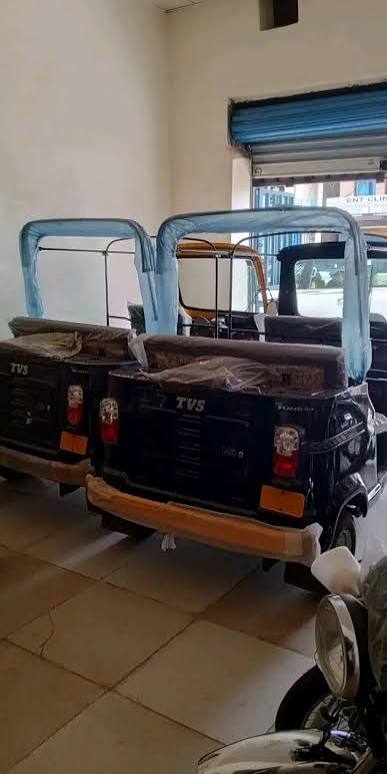
Juba, the fast-growing capital of South Sudan, is facing a severe urban mobility crisis. What was once intended as a low-cost, accessible mode of public transit—the three-wheeled motorized rickshaw (locally known as the raksha)—has turned into a source of urban gridlock, traffic hazards, and economic inefficiency. The streets of Juba are currently overwhelmed by an unsustainable influx of rickshaws, creating an urgent need for regulatory intervention, including a total ban on their importation.
Over-Saturation: More Vehicles Than Passengers
The supply of rickshaws in Juba has drastically surpassed market demand. On major transit arteries such as the route connecting Gudele to Juba Town, thousands of rickshaws operate simultaneously, often carrying only a single passenger per trip.
This extreme over-saturation yields diminishing returns for operators while paralyzing the city’s transport network. Instead of moving people efficiently, these vehicles end up occupying an overwhelming proportion of road surface area relative to the passenger capacity they provide.
Unlicensed Drivers and Rising Accidents
The sudden proliferation of rickshaws is accompanied by poor regulatory oversight. A significant number of these three-wheelers are driven by underage, unlicensed, or poorly trained operators.
   [ Unregulated Import ]
             │
             ▼
[ Excessive Rickshaw Supply ]
             │
   ┌─────────┴─────────┐
   ▼                   ▼
[ Severe Gridlock ]  [ Unlicensed/Underage Drivers ]
   │                   │
   └─────────┬─────────┘
             ▼
  [ Elevated Accident Rates ]
Because many drivers lack formal training or a basic understanding of traffic laws, reckless maneuvers—such as sudden u-turns, driving against traffic, and illegal parking at busy intersections—have become routine. This disregard for road safety contributes to frequent traffic collisions, placing a heavy burden on pedestrians, other motorists, and emergency response services.
Infrastructure Under Siege
Juba’s road network was largely designed for a smaller volume of motor vehicles. Adding tens of thousands of low-capacity, slow-moving three-wheelers into narrow streets creates constant bottlenecks.
During peak hours, primary thoroughfares grind to a halt. The delay impacts daily commerce, hampers emergency services, and causes unnecessary fuel consumption and air pollution across the capital.
The Policy Proposal: A 10-Year Import Moratorium
To restore order to Juba’s transportation system, government authorities—including the Ministry of Transport and the National Revenue Authority—should consider imposing a 10-year ban on the importation of rickshaws.
┌────────────────────────────────────────────────────────────────────────┐
│                        PROPOSED REGULATORY FRAMEWORK                   │
├────────────────────────────────┬───────────────────────────────────────┤
│ Measure                        │ Intended Impact                       │
├────────────────────────────────┼───────────────────────────────────────┤
│ 10-Year Import Ban             │ Halts market flood; stabilizes supply │
│ Mandatory Driver Licensing     │ Removes underage & untrained drivers  │
│ Route & Corridor Restrictions  │ Decongests major city centers         │
│ High-Capacity Transit Shift   │ Moves public transit to buses/vans    │
└────────────────────────────────┴───────────────────────────────────────┘
A decade-long import ban would provide several immediate structural benefits:
-
Natural Fleet Reduction: Restricting imports allows the existing vehicle count to diminish naturally through wear and tear, gradually freeing up road space.
-
Shift to High-Capacity Transit: A pause on rickshaw imports creates economic space for investment in higher-capacity public transport options, such as commuter buses and organized minibus networks, which move significantly more people using less road area.
-
Enforcement of Licensing Laws: A frozen supply allows traffic police to effectively audit existing operators, ensuring only licensed, adult drivers remain on the road.
Reclaiming Juba’s Streets
Urban mobility requires a balance between transit accessibility, public safety, and infrastructure capacity. The current unregulated influx of rickshaws has tipped this balance toward chaos. By enacting a 10-year import moratorium alongside strict enforcement of driver licensing laws, South Sudan can decongest Juba, reduce road accidents, and build a safer, more sustainable public transportation infrastructure for the future.