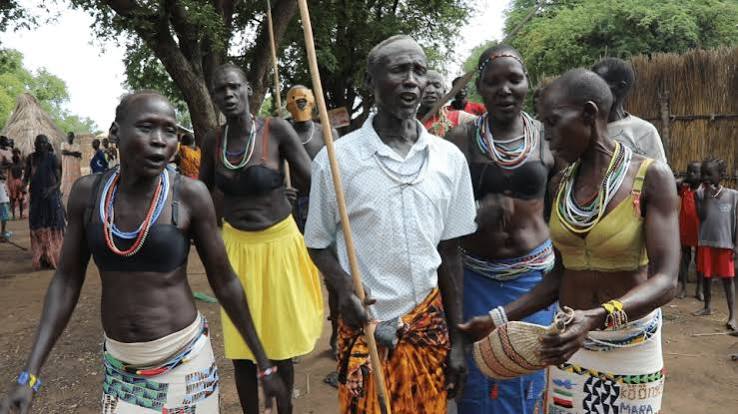
Anatomy of Conflict: Tensions in Ethiopia’s Gambella Region
The Gambella Regional State, located in southwestern Ethiopia along the porous border with South Sudan, has long been a flashpoint for intercommunal conflict. At the center of this volatile dynamic are two indigenous Nilotic groups: the Anywaa (Anuak) and the Nuer.
While both communities have coexisted for generations, deep-seated friction over land tenure, political influence, federal resource allocation, and the spillover of South Sudan’s civil wars has created a recurring cycle of violence.
1. Land Ownership and Socio-Economic Livelihoods
The foundational driver of friction between the Anywaa and Nuer lies in their starkly different economic systems and concepts of land ownership.
-
The Anywaa (Agrarian): Traditionally settled cultivators living along the fertile banks of the Baro, Gilo, and Akobo rivers. Land ownership for the Anywaa is inextricably tied to ancestral heritage, village territory, and riverine agriculture.
-
The Nuer (Agro-Pastoralist): Traditionally transhumant pastoralists who rely on large-scale cattle herds. Their livelihood requires seasonal mobility to secure grazing pasture and water sources during dry seasons, often bringing them into direct contact with Anywaa farming lands.
+-----------------------------------------------------------------------+
|                       RESOURCE COMPETITION                           |
|                                                                       |
|   Anywaa (Agrarian)                    Nuer (Pastoralist)             |
|   - Fixed riverine plots               - Seasonal cattle migration    |
|   - Ancestral land tenure              - Grazing pasture access       |
|   - Perceptual threat of encroachment  - Encroachment onto farmlands |
+-----------------------------------------------------------------------+
As climate variability, environmental degradation, and commercial land leases by the central government have reduced arable land, cattle corridors have increasingly overlapped with cultivated fields, triggering localized clashes that rapidly escalate along ethnic lines.
2. Demographic Shifts and Political Power
Ethiopia’s System of Ethnic Federalism (established in 1995) ties political power, administrative boundaries, budget distribution, and voting strength directly to population size. This dynamic transformed historical intercommunal rivalries into high-stakes political contests.
| Driver | Impact on Anywaa | Impact on Nuer |
| Demographic Balance | Historically the majority, but fear becoming a demographic minority in their homeland. | Population expanded rapidly due to high fertility and refugee inflows from South Sudan. |
| Political Representation | Demand protection of indigenous rights and political quotas to maintain regional leadership. | Leverage numerical growth to demand proportional representation in regional government posts. |
| Administrative Control | Resist redrawing of district (woreda) boundaries that favor Nuer electoral majorities. | Seek creation of new woredas to reflect local population presence. |
3. The South Sudan Factor: Cross-Border Security Dynamics
Gambella’s geographical positioning makes it inseparable from the turmoil in neighboring South Sudan. The porous international border does not separate the Nuer or Anywaa populations; both communities span both sides of the frontier.
Influx of Refugees
During the Sudanese Civil Wars and the post-2013 South Sudanese Civil War, hundreds of thousands of South Sudanese refugees—predominantly Nuer—crossed into Gambella.
-
Demographic Weight: Refugee camps in Gambella at times held populations rivaling or exceeding local resident numbers.
-
Integration Clashes: Anywaa political leaders frequently expressed concern that South Sudanese Nuer seamlessly integrated into Ethiopian society, registered to vote, and artificially skewed regional census figures.
Proliferation of Small Arms & Armed Factions
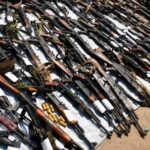
The cross-border movement of armed rebel groups (such as the SPLM-IO and local militias) has saturated Gambella with modern weaponry. Clashes that once involved traditional weapons are now fought with automatic firearms, significantly increasing casualties and preventing rapid local peace mediation.
4. Government Interventions and Commercial Land Allocations
Federal policies from Addis Ababa have at times inadvertently exacerbated local tensions:
-
Highlander Resettlement Programs: Under the Derg regime (1970s–1980s) and subsequent administrations, large numbers of “highlanders” (Habesha) were resettled in Gambella, creating a third demographic pillar and intensifying land competition.
-
Commercial Farming Leases: In the late 2000s and 2010s, the federal government set aside massive tracts of land in Gambella for domestic and foreign commercial agricultural investments (such as the Karuturi project). This displaced local communities, squeezed pastoral corridors, and heightened grievances against federal policy.
Summary of Core Drivers
                             ┌──────────────────────────────┐
                             │    GAMBELLA REGIONAL CONFLICT│
                             └──────────────┬───────────────┘
                                            │
         ┌────────────────────────┬─────────┴──────────────┬────────────────────────┐
         ▼                        ▼                        ▼                        ▼
┌──────────────────┐    ┌──────────────────┐    ┌──────────────────┐    ┌──────────────────┐
│ Livelihood Clash │    │ Demographic Shift│    │ Ethnic Federalism│    │ South Sudan Link │
│ Farmers vs Herders│    │ Refugee Inflows  │    │ Power Struggles  │    │ Small Arms & War │
└──────────────────┘    └──────────────────┘    └──────────────────┘    └──────────────────┘
Resolving the conflict in Gambella requires a multi-pronged strategy: addressing local land security, building inclusive regional power-sharing arrangements, managing refugee flows humanely without altering local political mechanics, and curbing the cross-border flow of illicit firearms.