 JUBA, South Sudan — South Sudan is heading toward a dramatic political and institutional shake-up as the country prepares for its scheduled December 22, 2026 general elections, with major changes to the transitional government expected in the coming weeks.
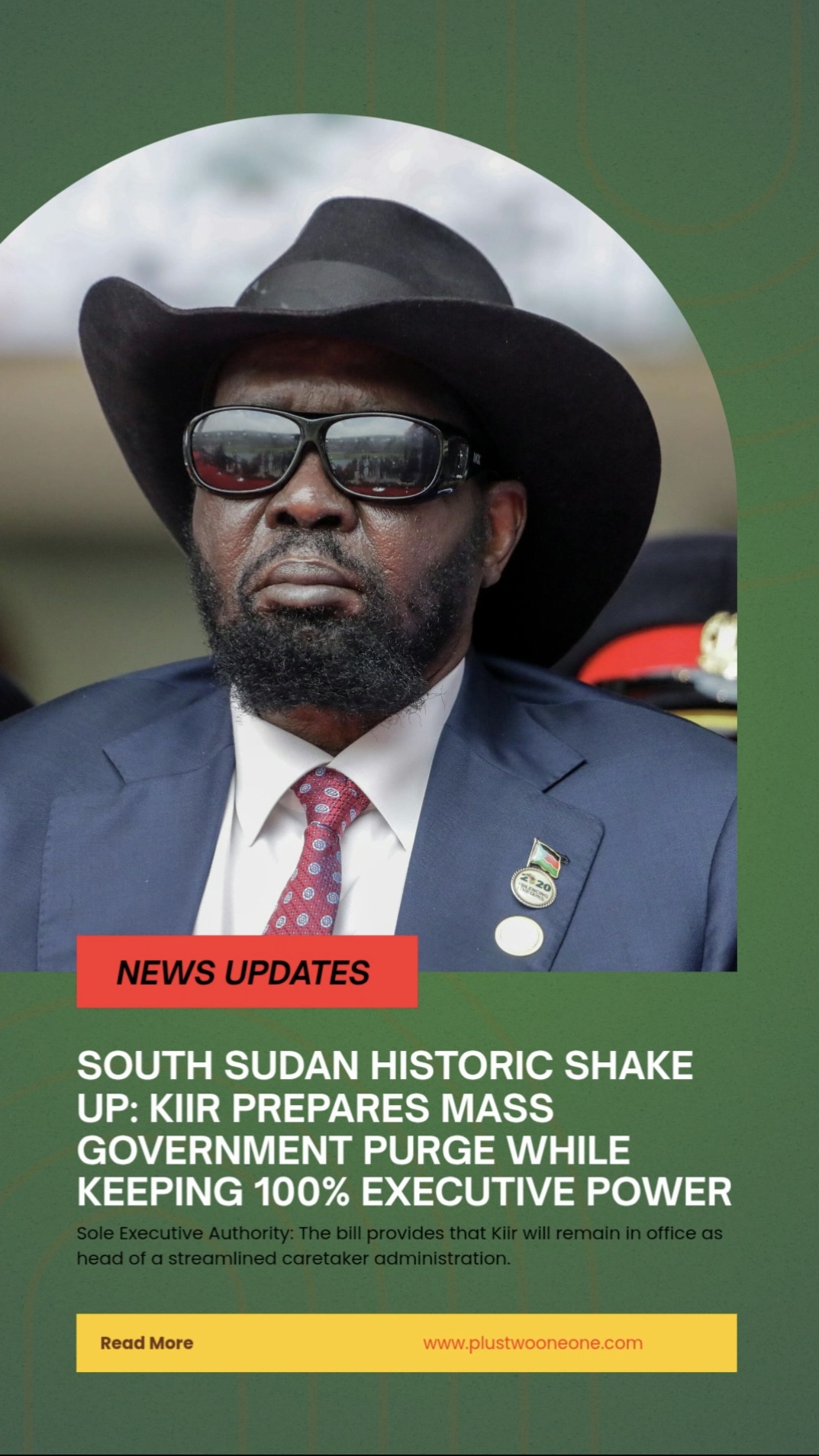
Proposed amendments currently before Parliament would pave the way for the transitional government to be dissolved ahead of the elections, while President Salva Kiir Mayardit would remain in office with his constitutional powers during the electoral period. The proposal would also require the First Vice President and the other vice presidents to leave office before polling day.
The proposed changes come as South Sudan approaches the end of its prolonged transitional period and prepares for its first national elections since independence. The National Elections Commission has confirmed December 22, 2026 as the scheduled polling date.
A sweeping transition
If the proposed arrangements move forward, the coming weeks could see significant changes across the country’s political structure, including the Cabinet and other transitional institutions.
Reports and government statements have pointed to the creation of a caretaker arrangement following the dissolution of the transitional government. Government spokesperson Ateny Wek Ateny previously indicated that the dissolution could take place in October, although the exact structure of the administration had not been finalized at the time.
The latest parliamentary proposal, however, goes further by addressing the position of the vice presidents during the election period. Under the bill, the incumbent president would remain in office with his constitutional powers while the vice-presidential positions would be vacated ahead of the vote. The bill remains under parliamentary consideration and has not yet become law.
Kiir’s executive authority at the center of the debate
The proposed arrangement would place President Kiir at the center of executive authority during the electoral period.
Supporters of the proposal may argue that the arrangement is intended to provide continuity while the country moves from transitional rule toward an elected government. Critics and legal analysts, however, have raised questions about whether ordinary electoral legislation can alter positions established under the Transitional Constitution and the 2018 peace agreement.
The debate comes at a particularly sensitive moment. Just days ago, Kiir dismissed the chairperson of the National Elections Commission, a move that has generated additional questions about the country’s electoral preparations and the legal process surrounding the change.
December 22 remains the target
Despite the political and legal questions surrounding the transition, authorities continue to maintain that South Sudan is moving toward elections on December 22, 2026.
Recent constitutional changes have removed some of the previous legal prerequisites for holding the vote, including requirements linked to completion of a permanent constitution and a national census.
With only months remaining before polling day, the restructuring of the transitional government could therefore become one of the most consequential political developments in Juba before the country goes to the polls.
For South Sudan, the coming weeks may determine not only who occupies key government positions during the election period, but also how power is transferred from the transitional political arrangement to the country’s next elected government.