In the bustling heart of South Sudan’s capital, a silent epidemic is tearing through the fabric of the youngest nation’s future. Rapid urban sprawl, hyperinflation, socio-economic hardship, and the lingering trauma of conflict have created a breeding ground for widespread substance abuse among Juba’s youth. What once began as localized, opportunistic drug use has escalated into a public health and security crisis, pushing hundreds of young men and women into crime, severe health conditions, and sexual exploitation.
The Deadly Menu: Substances Fueling the Crisis
The illicit drug market in Juba has diversified rapidly from traditional substances to hard narcotics and toxic synthetic pills:
-
Marijuana (Bangi): Long the most accessible and widely consumed substance in the country, local and imported marijuana remains the entry point for many teenagers. It is heavily distributed across informal settlements and makeshift joints.
-
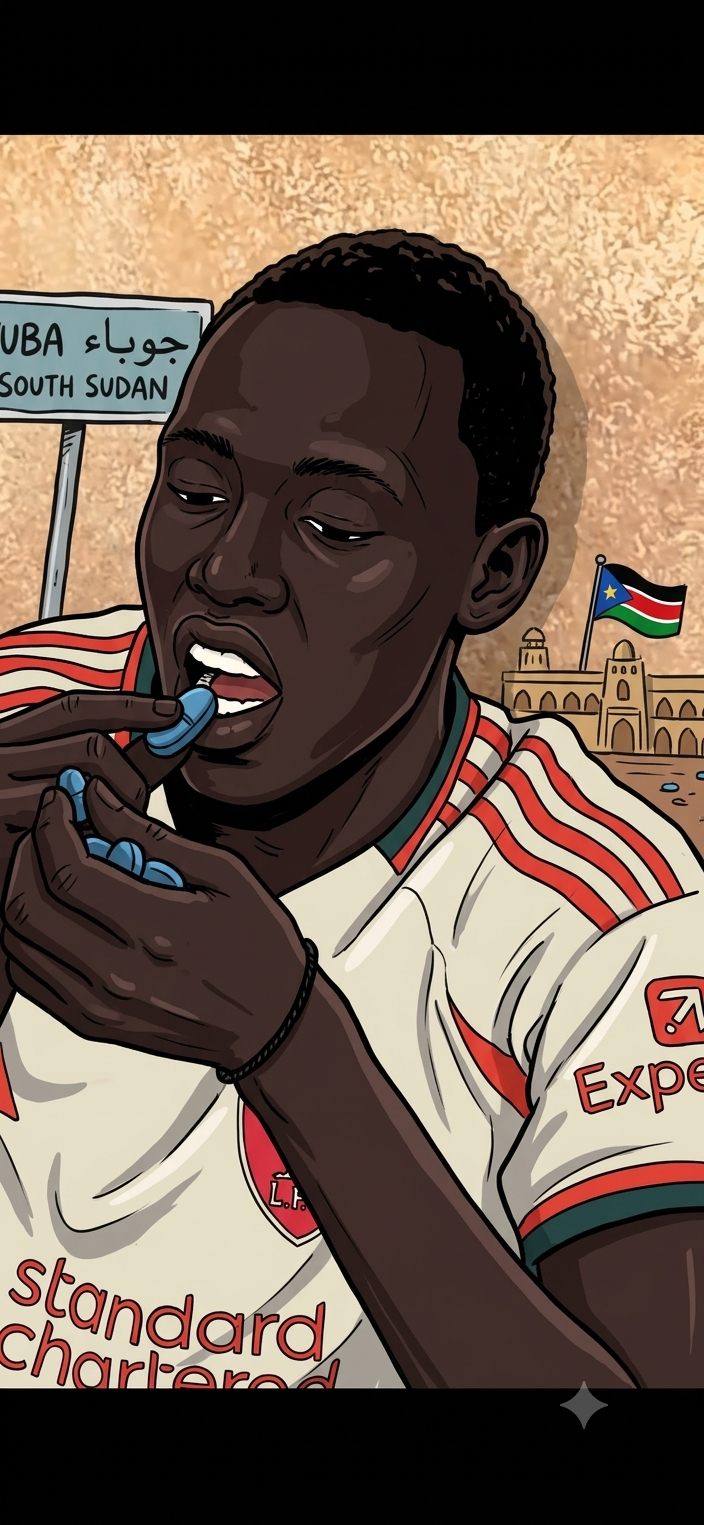
The “Notorious Blue Pill”: A blanket term in Juba’s street culture primarily referring to illicitly imported high-dose Tramadol, counterfeit Diazepam, or Rohypnol pills. Known for producing intense numbness and disassociation, the “blue pill” has gained a reputation for driving violent aggressive behavior and severe physical addiction among street youth.
-
Methamphetamine (“Ice”): The rapid entry of high-purity crystalline meth has introduced violent paranoia and rapid addiction cycles among young users. Its stimulant effects often fuel prolonged sprees of reckless behavior and criminality.
-
Heroin & Cocaine: Once rare due to cost, cheaper cuts of brown sugar heroin and crack cocaine have filtered into Juba’s urban centers through international smuggling corridors. Ingestion through smoking (“chasing the dragon”) and snorting has led to rising overdose rates and severe physical deterioration among addicts.
Hotspots of the Crisis: Juba’s Worst-Affected Neighborhoods
Drug trafficking networks and localized consumption hubs have entrenched themselves across specific residential and commercial sectors in Juba:
-
Konyokonyo Market: As Juba’s largest commercial trading hub, the bustling alleys and surrounding riverbanks of Konyokonyo provide easy cover for dealers, street children, and organized contraband networks.
-
Sherikat & Gumbo: Located along the eastern bank of the Nile near major transit routes, these rapidly expanding areas have become major distribution points for illicit drugs entering the city via long-distance road corridors.
-
Kator & Munuki: Densely populated residential residential zones where informal youth gatherings (“atayas”) and local dark spots have become strongholds for youth gang activity and substance abuse.
-
Mia Saba & New Site: Impoverished peripheral neighborhoods marked by high unemployment and lack of basic services, creating fertile ground for chemical dependency and social breakdown.
The Fallout: Gang Violence, Crime, and Sexual Exploitation
The economic strain of sustaining a daily drug habit—in a city plagued by severe inflation—has triggered a collapse in community safety:
Rise in Street Crime and Gang Warfare
To fund their daily doses, many addicted young men gravitate toward urban youth gangs (often locally termed “Niggers” or “Tormentors”). Armed with machetes, knives, and occasionally firearms, these groups engage in violent turf wars, phone snatching, armed robberies, and nighttime home invasions across neighborhoods like Kator, Munuki, and Gumbo.
Prostitution and Child Exploitation
Tragically, young girls and adolescent women face a uniquely devastating reality. With few economic opportunities and high rates of displacement or family breakdown, many young girls resort to commercial sex work in local lodges, brothels, and dark corners of markets like Konyokonyo and Sherikat to finance their addiction or basic survival. This trade exposes underage girls to physical abuse, human trafficking, unwanted pregnancies, and rising rates of STIs and HIV.
The Road Forward
Reversing Juba’s drug crisis requires more than just police raids and law enforcement crackdowns. Community leaders, local authorities, and international non-profits emphasize the desperate need for dedicated rehabilitation facilities, vocational training centers, psychological support for trauma, and economic empowerment programs designed to give South Sudan’s youth a viable alternative to the streets.
You can watch this reporting on VOA Africa’s coverage of South Sudan police fighting drug abuse to better understand how regional law enforcement and local communities are responding to the growing drug crisis among young people.