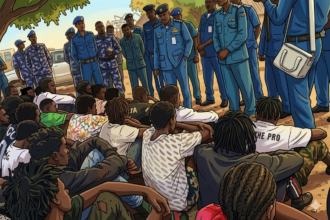
The recent events surrounding the departure of the Sudan People’s Liberation Movement in Opposition (SPLM-IO/WHITE ARMY ) from Akobo town towards the Gambela region of Ethiopia have raised significant concerns. This strategic retreat not only highlights the ongoing volatility in South Sudan but also underscores the complexities involved in the regional dynamics of the Horn of Africa.
Background
The SPLM-IO/WHITE ARMY, led by Dr. Riek Machar, has been a key player in South Sudan’s turbulent political landscape, especially since the country’s independence in 2011. The conflict primarily stems from power struggles between rival factions, ethnic tensions, and competition for resources. Akobo town has been an area of contention and military significance, serving as a stronghold for the SPLM-IO/WHITE ARMY.
The Retreat from Akobo
Reports indicate that the SPLM-IO/WHITE ARMY has recently made the decision to abandon Akobo, moving its forces towards the Gambela region of Ethiopia. This sudden change raises several questions about the motivations and implications of such a move.
1. Strategic Withdrawal: The SPLM-IO’s retreat appears to be a strategic decision, possibly driven by intense military pressure from the South Sudan People’s Defense Forces (SSPDF). As battles have intensified, the SPLM-IO may have assessed that holding Akobo was no longer tenable.
2. Abandoning Military Equipment: A significant aspect of this retreat is that the SPLM-IO left behind heavy military equipment, which has subsequently fallen into the hands of SSPDF. This development poses a risk to SPLM-IO/WHITE ARMY conflict, as the acquisition of such military assets could strengthen the SSPDF’s capacity in future engagements.
Implications of the Retreat
The implications of the SPLM-IO’s actions are manifold:
1. Power Dynamics: The retreat may alter the balance of power in the region. With the SSPDF acquiring valuable military hardware, they could potentially launch renewed offensives against SPLM-IO forces or other opposition groups.
2. Humanitarian Concerns: The movement of troops and potential escalation of conflict could lead to increased displacement of civilians. The Gambela region, already hosting a significant number of Nuer/South Sudanese refugees, may face additional humanitarian challenges.
3. Regional Stability: The retreat into Ethiopia raises questions about the involvement of neighboring countries in the conflict. Ethiopia has historically been a mediator in South Sudan’s crises but could find itself drawn deeper into the conflict if the SPLM-IO/WHITE ARMY establishes a new base of operations there.
4. Future of Peace Agreements: The shift in military control and the desertion of Akobo may undermine existing peace agreements. It remains to be seen how this will affect ongoing dialogues among South Sudan’s factions and whether it will lead to renewed hostilities.
Conclusion
The desertion of Akobo by the SPLM-IO/WHITE ARMY is a significant event in the ongoing turmoil of South Sudan. As military dynamics shift and heavy equipment is transferred to the SSPDF, the ramifications for civilians, regional stability, and the political landscape will need to be closely monitored. The international community’s response will also be crucial in addressing the potential fallout and supporting efforts towards lasting peace in the region.