
The Frontier of Resilience: Business Potential in South Sudan (2026)
South Sudan, the world’s youngest nation, is often framed through the lens of its challenges: political volatility, infrastructure gaps, and climate shocks. However, beneath the headlines of instability lies a country of immense untapped potential. As we move through 2026, a new narrative is emerging—one where “first-mover” investors and resilient entrepreneurs are finding high-reward opportunities by addressing the very gaps that define the nation’s current landscape.
For those willing to navigate the complexities, South Sudan offers a rare “greenfield” environment where competition is low and the impact of successful ventures can be transformative.
1. The “Green Gold” of Agriculture
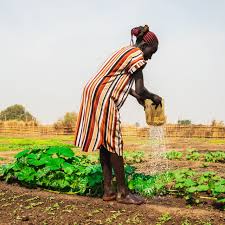
While oil currently dominates the economy, South Sudan’s greatest long-term treasure is its land. Over 90% of the country is arable, yet only about 4% is currently cultivated.
-
Agribusiness & Processing: The country relies heavily on food imports from neighbors like Uganda and Kenya. This creates a massive opening for domestic production of staples like sorghum, rice, and maize.
-
Cash Crops: Regions like Western Equatoria are ideal for high-value exports, including coffee, tea, and shea butter.
-
Livestock: With one of the highest livestock-per-capita ratios in Africa, the potential for professionalized meat processing, leather tanneries, and dairy production is vast.
2. Energy: Moving Beyond the Grid
South Sudan has the lowest electrification rate in the world, with much of the country living off-grid. This deficit is actually a massive market for renewable energy.
-
Solar Solutions: In Juba and other urban hubs, businesses and households are increasingly turning to solar power to escape the high cost of diesel generators.
-
Hydropower: The White Nile provides significant potential for small-to-medium scale hydro projects that could power entire states.
-
Mini-Grids: Off-grid solar mini-grids represent a scalable model for providing electricity to remote agricultural and mining sites.
3. Infrastructure and Urbanization
The demand for physical connectivity is relentless. As the government seeks to rebuild under Public-Private Partnerships (PPPs), opportunities are surfacing in:
-
Telecommunications: While mobile money is booming, there is still a significant hunger for high-speed data and fiber-optic connectivity.
-
Construction: Urban centers like Juba are expanding rapidly, driving demand for affordable housing, commercial real estate, and professionalized logistics services.
Navigating the Risk: The “Early Mover” Strategy
Investing in South Sudan is not without its hurdles. Political tensions and the spillover effects of regional conflicts (such as the crisis in neighboring Sudan) require a high degree of risk management.
| Challenge | Mitigation Strategy |
| Political Instability | Focus on “political-neutral” sectors like agriculture and green energy; build strong local partnerships. |
| Currency Volatility | Utilize mobile money platforms and maintain regional banking connections in Nairobi or Addis Ababa. |
| Logistics | Leverage river transport along the Nile and invest in private-sector cold-chain storage. |
Pro Tip: Success in this market often depends on “localization.” Working with local partners who understand tribal dynamics and regulatory nuances is often the difference between a stalled project and a thriving enterprise.
The Verdict: High Risk, Higher Reward
South Sudan in 2026 is a market for the bold. The political environment remains fluid, but for those who can provide solutions to the country’s most pressing needs—food, power, and connectivity—the potential for growth is unparalleled in the East African region. As the nation works toward its first permanent constitution and stabilized elections, the window for “first-mover” advantage is wide open.