1. The “Feeding the Nation” Gap (Agriculture)
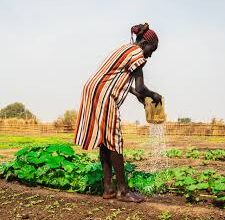
Right now, South Sudan has some of the richest soil in Africa, yet if you walk into a market in Juba, most of the tomatoes and onions came on a truck from Uganda or Kenya. That is a massive, expensive irony.
-
The Opportunity: You don’t need to be a corporate giant. Small-to-medium commercial farms focusing on staples (maize, sorghum) or “cash crops” like hibiscus and honey are goldmines.
-
The “Human” Angle: If you set up a processing plant to turn raw peanuts into peanut oil locally, you aren’t just making a profit; you’re dropping the price of cooking oil for thousands of families.
2. The Power Pioneer (Energy)
Imagine trying to run a business where the lights go out every two hours, or you have to spend 40% of your revenue on diesel for a noisy generator. That is the reality for most local entrepreneurs.
-
The Opportunity: Solar is the hero here. There is a huge demand for “Pay-as-you-go” solar kits for homes and mid-sized solar grids for hospitals and hotels.
-
The Move: Don’t just sell panels; sell solutions. Maintenance and battery storage are where the long-term contracts are.
3. The “Moving Things” Puzzle (Logistics)
South Sudan is landlocked, and during the rainy season, many roads become literal rivers of mud. This makes transport the single biggest headache for every business in the country.
-
The Opportunity: River Transport. The Nile is a natural highway that is currently underused. If you can provide reliable, refrigerated barge transport from Juba up to Malakal, you own the supply chain.
-
The Move: Warehouse space. Everyone needs a dry, secure place to keep their goods. Build a modern warehouse, and you’ll have a line of tenants out the door.
4. Mining: More Than Just Gold
People talk about gold, and yes, it’s there. But the real “boring” money is in construction minerals.
-
The Opportunity: As the country builds roads and buildings, they need cement, lime, and crushed stone. Currently, a lot of this is imported.
-
The Human Angle: Setting up a local quarry or a small-scale cement brick factory bypasses the nightmare of cross-border logistics and serves the local construction boom directly.
A Reality Check (The “Candor” Part)
I’d be doing you a disservice if I said it was easy. It’s not. You’ll deal with:
-
Bureaucracy: Paperwork can be slow and confusing.
-
Infrastructure: You often have to build your own “mini-ecosystem” (your own power, your own water).
-
Relationships: In South Sudan, your “social capital”—who you know and how much the community trusts you—is just as important as your financial capital.
The Bottom Line
2026 is the year of the rebound. With the oil flowing again and the economy projected to jump by double digits, the people who get in now are the ones who will define the market for the next decade.